

Retirees often want to keep life simple, especially with big purchases like a new car. Many think paying cash means peace of mind and no monthly bills. But cash isn’t always king. In fact, it could cost more in the long run. If you are a retiree planning to buy a car, you might want to hit the brakes before handing over that lump sum.
Here’s why financing might be the smarter move:
Retirees Lose Growth Potential by Draining Their Cash
To begin with, retirees who pull a big chunk of cash from retirement accounts or savings just to buy a car give up something valuable: the chance for that money to grow. In today’s high-interest-rate world, your savings could earn solid returns if left alone. Instead of letting your money work for you, you are trading it for a depreciating asset.
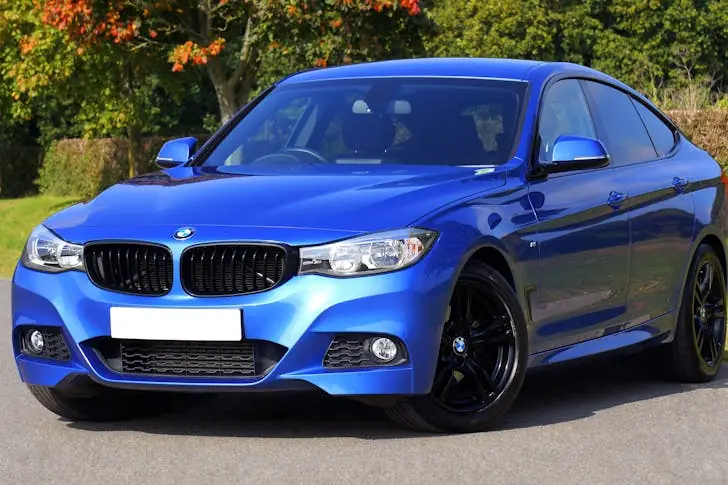
Financing a car lets you keep your money growing while spreading out the cost.
Large Withdrawals Can Trigger Bigger Tax Bills
Retirees using tax-deferred accounts like a 401(k) to fund a car purchase could be in for a surprise. Large withdrawals count as taxable income, and that could push you into a higher tax bracket. You might end up paying more in taxes than you expected, all because you wanted to avoid a car loan.
Instead of pulling $30,000 or $40,000 at once, financing spreads the cost. You avoid a huge taxable event and keep your income level steady. That is smart tax management, especially for retirees who need to make every dollar count.
From 2025 to 2028, the One Big Beautiful Bill Act (OBBBA) gives retirees a fresh reason to finance. If you buy a qualifying new U.S.-made vehicle, you can deduct up to $10,000 per year in auto loan interest. This tax break can ease the cost of borrowing and make financing even cheaper than paying cash.
That kind of deal doesn’t come around often. By financing, retirees not only avoid draining their savings but also get a little back come tax time. It is a win-win for your wallet and your long-term plan.
Fixed Payments Protect Budget Stability
Financing a car with a fixed-rate loan keeps things predictable. With a 3 to 5-year term and a decent down payment, monthly payments stay manageable and easy to plan for.

Experts suggest car payments stay below 10 to 15 percent of monthly income. That way, retirees keep control of their budget without giving up all their cash. It is about balance, not burden.
Paying Cash Doesn’t Always Mean Peace of Mind
Many retirees think, “If I pay cash, I don’t have to worry about anything.” But that is not always true. Big cash purchases reduce flexibility. If an emergency comes up later, you might not have enough left to cover it. Your car won’t help you pay medical bills or fix a roof leak.
Financing lets you keep a financial cushion. It’s easier to handle unexpected expenses when you have not just emptied your account on a car.
Of course, financing isn’t a free pass. Retirees should avoid long loan terms or payments that stretch their monthly income. A shiny new car isn’t worth financial stress. High payments, interest, and rising insurance costs can stack up fast if you are not careful.