

When hurricane season approaches, it is not just coastal residents who need to prepare. Investors, too, should consider how these powerful storms can affect their portfolios. Knowing how to invest in anticipation of hurricane season can make a significant difference in how well your investments weather the storm – literally. From understanding the industries that are most impacted to finding ways to capitalize on recovery efforts, proactive strategies can help you protect your money and even grow it during uncertain times.
How to Invest in Anticipation of Hurricane Season?
Hurricane season runs from June to November. Every year, it brings with it the potential for widespread destruction. Storms can affect a variety of sectors, including real estate, energy, and agriculture, and they can cause sudden, unpredictable market shifts.
Understanding how to invest in anticipation of hurricane season starts with knowing how these sectors might be impacted. For example, oil prices often rise due to the disruption of offshore drilling, while construction companies see increased demand during the rebuilding phase.
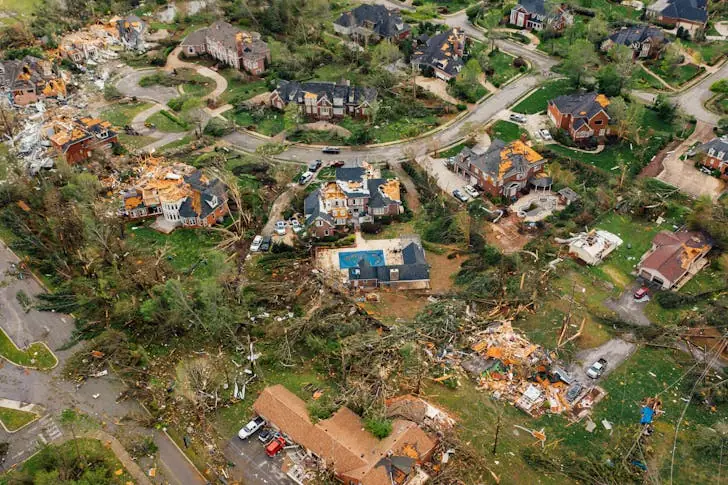
The financial markets are no stranger to the turbulence caused by natural disasters. A significant storm can wipe out physical assets. It can lead to a spike in insurance claims and even disrupt supply chains. Investors need to be nimble and prepared for these potential shifts, making hurricane season a time to reassess portfolio risk and allocate resources wisely.
Invest in Disaster-Resilient Industries
Another critical aspect of learning how to invest in anticipation of hurricane season is identifying industries that tend to benefit during and after hurricanes. Construction and infrastructure companies typically see a surge in demand as communities rebuild after a storm.
Companies in these sectors often experience stock price growth during hurricane recovery. This makes them a solid option for investors looking to capitalize on recovery efforts.
Likewise, utility companies are often forced to rebuild after severe damage, leading to increased business in the months following a storm. Some savvy investors also look to renewable energy companies during hurricane season. These companies tend to gain more attention as policymakers and consumers push for more resilient and sustainable energy solutions in storm-prone regions.
Don’t Overlook Insurance and Reinsurance Stocks

When thinking about how to invest in anticipation of hurricane season, it is important to consider the insurance industry. After all, insurance companies play a key role in the financial response to hurricanes. While major storms can lead to high payouts for claims, these companies are usually well-positioned to handle them.
Similarly, reinsurance companies, which provide insurance for insurers, are also worth a look. These businesses often see an increase in demand for their services as insurers brace for storm-related claims.
However, it is crucial to research which insurers have the strongest balance sheets and track records of managing catastrophe risk. Some smaller companies might struggle with the financial burden of a large-scale storm. On the other hand, larger, more diversified insurers can often absorb the hit and come out stronger in the long run.
Always Keep an Eagle’s Eye on Energy Prices
Energy prices are often one of the first indicators of market movement during hurricane season. Offshore drilling platforms in the Gulf of Mexico are particularly vulnerable to hurricanes. Any disruption in oil production can lead to spikes in crude prices.
However, the risk here is volatility. While prices may rise, they can also fluctuate rapidly as production resumes or if the storm turns out to be less severe than anticipated. Investors should keep a close eye on weather forecasts and energy market trends to time their entries and exits effectively.