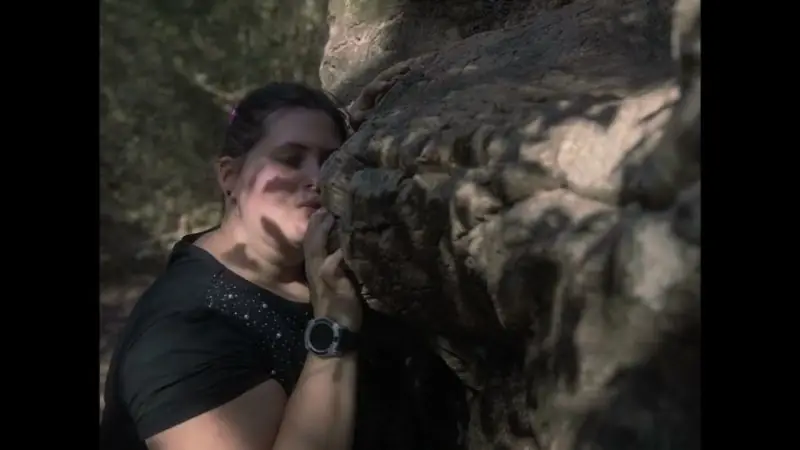
Some documentaries tell stories with dramatic interviews and shocking revelations. “Valentina and the MUOSters” takes a quieter path. The film slows everything down and lets everyday moments speak for themselves. That simple approach creates an emotional story that stays with viewers long after the credits roll.
Directed by Francesca Scalisi, the documentary follows 27-year-old Valentina as the young Sicilian woman tries to build an independent life. Personal dreams, family responsibilities, and political tensions all collide in a rural corner of Sicily, creating a moving portrait of resilience and hope.
A Young Woman Searching for Freedom
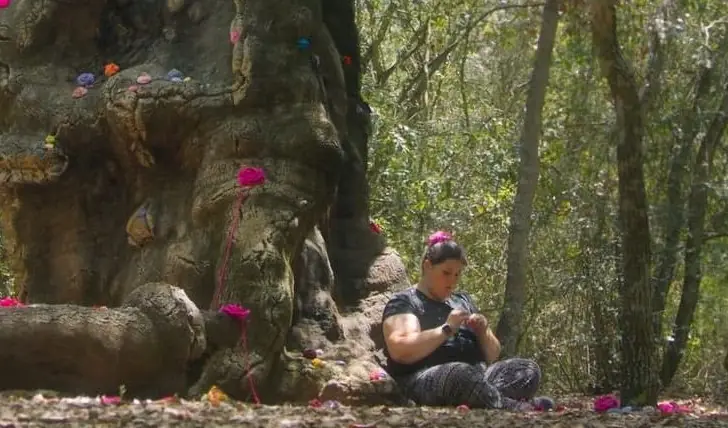
Every passing day reminds the determined young woman that independence will not come easily.
The documentary captures ordinary moments with remarkable honesty. Quiet conversations, household chores, and peaceful landscapes slowly reveal the emotional weight the family carries. Nothing feels exaggerated because every scene grows naturally from real life.
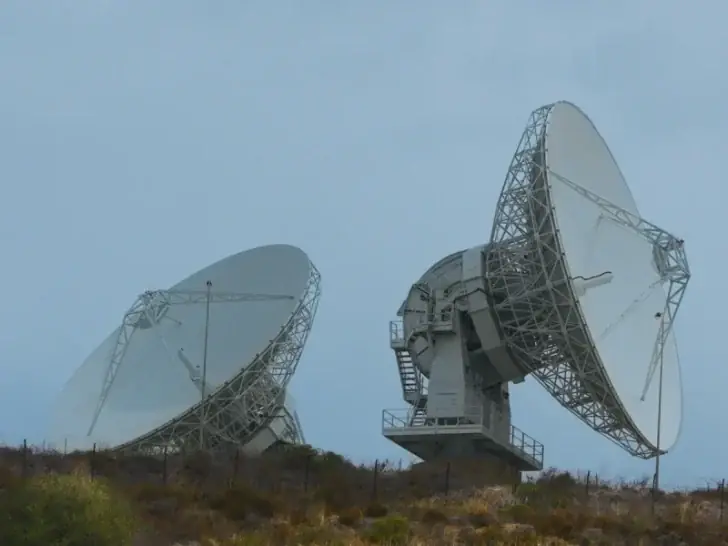
The film’s title carries two meanings. One part refers to Valentina, the determined woman at the center of the story. The other points to the Mobile User Objective System, better known as MUOS, a United States Navy satellite communications network located near the family’s home.
Installed in 2014, the military facility features enormous satellite antennas that tower over the surrounding countryside. Their constant presence shapes daily life in ways that reach far beyond the landscape. The massive structures become silent characters throughout the documentary, always visible and impossible to ignore.
Life in the Shadow of the MUOS Base
The military installation creates a lasting sense of uncertainty throughout the community. Many local residents believe the antennas have harmed both the environment and public health. Those concerns have fueled years of public demonstrations and legal challenges.
For Valentina’s family, the issue feels deeply personal. The documentary explains that the electromagnetic signals from the installation interfere with the pacemaker worn by Valentina’s father. That medical concern forces the elderly man to stop driving, leaving more responsibilities on his daughter’s shoulders.
The family’s attachment to the land makes every decision more difficult. Generations have lived and worked on the property, creating strong emotional ties that cannot easily be abandoned. Leaving would mean giving up cherished memories, while staying brings constant worry.
That emotional conflict sits at the heart of the documentary. Home represents comfort, history, and belonging. At the same time, home has become a place where fear quietly exists in the background of everyday life.
The broader community shares similar concerns. For more than fifteen years, activists involved in the “No MUOS” movement have protested against the military installation. Campaigners argue that the facility poses environmental and health risks while changing the character of the surrounding region.
The movement has achieved several legal victories and even received international recognition through the 2017 Aachen Peace Prize. Even so, those efforts have not stopped the satellite system from continuing operations. That reality adds another layer of frustration to the story unfolding on screen.
Quiet Filmmaking Creates a Powerful Message
The decision to film in a 4:3 aspect ratio strengthens that feeling of intimacy. The narrower frame keeps attention focused on Valentina and the family instead of the wider landscape. That visual choice makes every room feel smaller, and every challenge feel more immediate.
Sound also plays a vital role throughout the documentary. Composer and sound designer Olga Kokcharova creates an atmosphere filled with subtle tension. Normal everyday sounds blend with the constant presence of the military base, reminding viewers that unseen technology is never far away.
Rather than relying on dramatic music, the soundtrack quietly builds unease. The result feels natural instead of forced. The audience senses the invisible pressure surrounding the family without needing lengthy explanations.
The film has received widespread praise from critics and festival audiences. “Valentina and the MUOSters” premiered at Visions du Réel in 2024, where it won the Special Jury Prize. The documentary later screened at DOK Leipzig and earned the respected FIPRESCI Prize.