 Home >
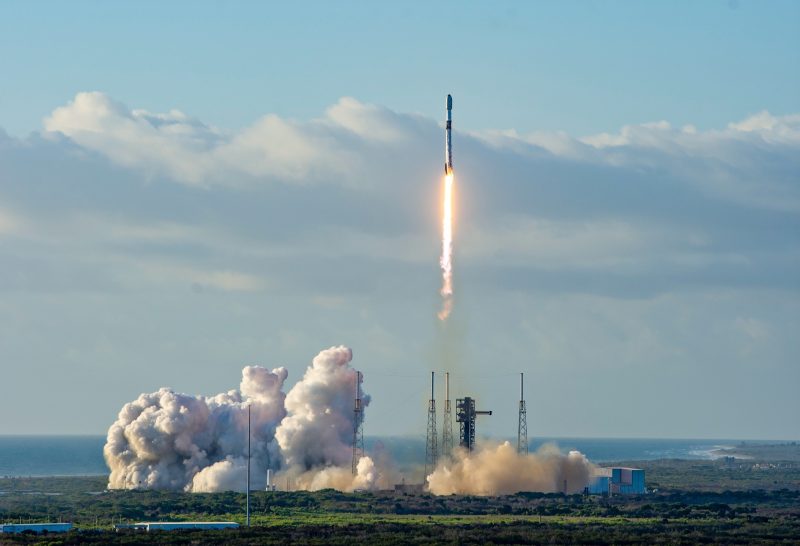
 SpaceX finally entered the public market, and the excitement was impossible to ignore. Investors rushed to buy shares of one of the world's most recognizable space companies, creating one of the biggest market stories of 2026.
The excitement also came with an unexpected downside. Instead of lifting the entire space industry, the IPO siphoned capital from many smaller companies. Several space-focused exchange-traded funds (ETFs) are now heading toward some of their weakest monthly performances in years.
Market analysts describe the shift as an "investment coma." The phrase reflects how investor attention became heavily centered on one company, leaving much of the rest of the sector struggling to attract fresh capital.
The result has been a sharp divide across the space investment landscape. SpaceX became the main attraction, while many companies that once benefited from growing interest suddenly faced heavy selling pressure.
Why the SpaceX IPO Changed the Market?
Yahoo / Before the IPO, many investors bought shares in smaller space companies, hoping the entire industry would gain momentum.
Expectations were high, and several stocks climbed as excitement built around SpaceX's long-awaited public debut.
Once trading began, the story changed. Investors started selling those earlier positions to free up money for SpaceX shares. Companies that had served as temporary investments suddenly became sources of cash, creating widespread declines across the sector.
This type of market behavior is not unusual after major public offerings. Investors often build positions ahead of a highly anticipated event, then quickly shift their money once the headline company becomes available. SpaceX simply magnified that pattern because of its enormous size and strong global reputation.
Space ETFs Feel the Pressure
The impact became especially clear among space-themed ETFs. Funds that invest across the industry have struggled as many of their holdings lost value during June 2026.
The Procure Space ETF, known by its ticker UFO, has been on pace for its weakest monthly performance since the market turmoil of early 2020. Other funds focused on the space industry have also recorded significant declines as investors rotated money into SpaceX.
Even funds that added SpaceX to their portfolios have not been immune to the broader weakness. While the new stock may provide long-term potential, falling prices across other holdings have weighed heavily on overall returns.
This shows how diversified funds can still face challenges when one company dominates investor attention. Strong performance from a single holding does not always offset losses elsewhere in the portfolio.
Timing Made a Big Difference

Hogir / Pexels / Not every ETF handled the SpaceX listing the same way. Some funds changed their investment rules to add the company shortly after its public debut.
Others had to wait before purchasing shares, or bought stock after prices had already moved higher. Those decisions created noticeable differences in performance from one fund to another.
Actively managed funds also responded differently from index-based products. Portfolio managers had greater flexibility to adjust holdings, but they still faced the challenge of balancing exposure to SpaceX with that of other companies in the sector.
The timing of those decisions became critical. Buying too early, buying too late, or holding too little of the new stock all affected investor returns during a highly volatile month.
SpaceX has experienced significant price swings since its market debut. Investors continue weighing the company's growth opportunities against its ambitious expansion plans and premium valuation.
Large corporate financing activities have also added to market discussions. Investors are closely watching how future fundraising, earnings growth, and major business contracts could influence the company's long-term outlook.