
Self-reliance sounds like a noble idea. The image of a lone pioneer building a life from scratch, armed with grit and determination, is deeply baked into the American story. But here’s the thing: that story isn’t real. Not in the way it is often told.
History says otherwise. The people who moved west didn’t do it alone. The U.S. government played a huge part, from military protection to building railroads. The settlers got help every step of the way. Many even gave up and moved back east. So much for rugged independence.
Westward Expansion Was Heavily Subsidized
Take the railroads. Those tracks didn’t magically appear. The federal government funded them, handed out land, and backed investors. Settlers and businesses depended on them. Without railroads, the westward push would have stalled.
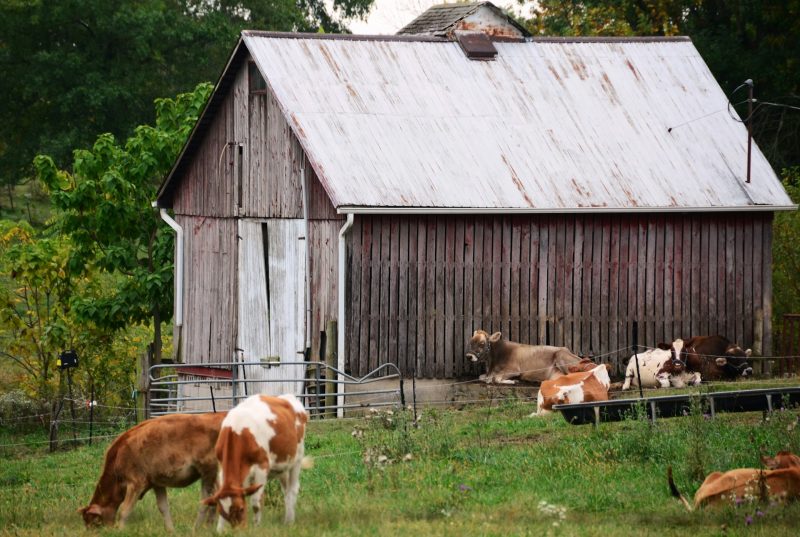
Even the famous cowboy wasn’t really free or independent. Most of them worked for big companies. Eastern tycoons and British investors owned the cattle and the land. Cowboys were employees. A lot were Black, some were formerly enslaved, and they worked long hours for little pay. It is hard to square that with the legend.
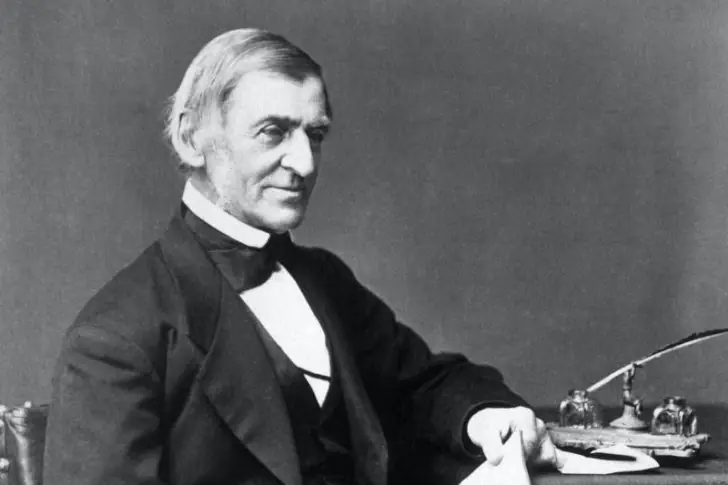
Emerson had help, lived in a society, and had privileges that shaped his thinking. His version of independence just doesn’t match real life.
Henry David Thoreau is another big name. He went off to the woods in Walden to prove a person could live simply and alone. But his story leaves out key facts. He lived near town, had frequent visitors, and his mom did his laundry.
Political Myths and Real-Life Irony
The politics of self-reliance get even messier. “Pull yourself up by your bootstraps” started as a joke. It was supposed to be impossible. But now it gets used like a serious plan for success. The idea that hard work alone brings rewards ignores all the systems people rely on.
Horatio Alger made a career out of rags-to-riches tales. But in his books, the poor kids always get help from rich mentors. And Alger himself had a questionable past that most people forget. The fantasy worked better than the truth.

The irony is hard to miss. Her life didn’t match her philosophy. And honestly, most people’s lives don’t.
Self-Reliance vs. Reality
Government programs like Social Security, Medicaid, and public schools show how deeply connected we all are. But somehow, asking for help gets painted as weak or wrong. That is not just unfair. It is unrealistic. Everyone needs support. That is how society works.
Some lawmakers make things even harder. Medicaid recertification rules, for example, often kick people off coverage for missing a form or deadline. It punishes the people who need help the most. Then they get blamed for not being “self-reliant” enough.
COVID-19 made the truth impossible to ignore. No one got through it alone. Doctors, delivery drivers, grocery clerks, and public health systems kept everything moving. We needed each other more than ever.
Indigenous communities have their own idea of self-reliance. It is about sovereignty, not solitude. It means owning land, running businesses, and building up their people after centuries of being pushed aside. Their vision is community-based, not about one person doing it all alone.