
 Home >
 Gold and silver have always attracted investors looking for a safe place to grow and protect their wealth. This summer, both precious metals have pulled back from their earlier 2026 highs, giving many investors a fresh chance to buy at lower prices. That has sparked one big question. Should your money go into gold or silver?
The answer is not the same for everyone. Your choice depends on your financial goals, how much risk you can handle, and how long you plan to stay invested. Gold offers stability during uncertain times, while silver brings stronger growth potential but comes with bigger price swings. Knowing how each metal works can help you make a smarter investment decision.
Silver Offers Bigger Growth Potential
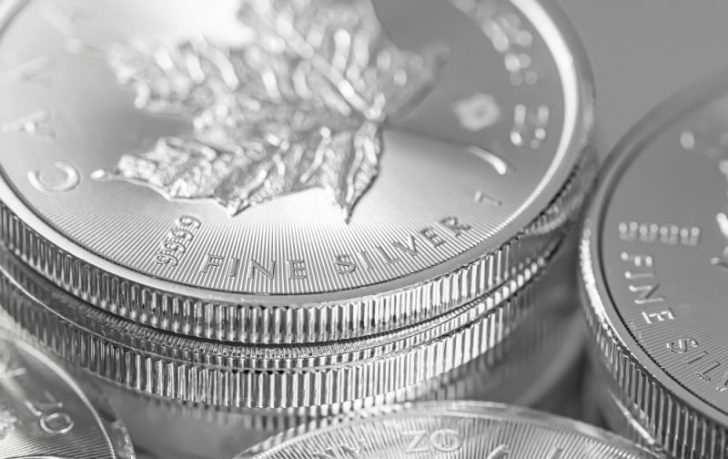
Magnific / Silver is getting plenty of attention this summer, and for good reason. Many market experts believe it has more room to grow than gold over the long run.
Usually, silver prices move faster than gold prices, which means investors can see larger gains when market conditions improve. That higher reward, however, comes with higher risk.
Another reason investors like silver is its affordable price. Buying gold often requires a larger investment, while silver allows new investors to enter the precious metals market with less money. That lower entry cost makes it easier to build a position over time without stretching your budget.
Apart from that, silver is an essential industrial material used across several fast-growing industries. Solar panels, electric vehicles, semiconductors, medical equipment, and consumer electronics all rely on silver because of its excellent electrical conductivity and unique properties.
As demand for clean energy and advanced technology continues to grow, silver could benefit from increased manufacturing activity. If factories produce more solar panels, batteries, and electronic devices during the second half of 2026, silver demand may rise along with prices. That gives silver an advantage that gold simply does not have.
However, the same factor also increases the risk. Sharp price gains can quickly turn into steep declines if investor confidence weakens or industrial demand slows. Anyone investing in silver should be prepared for larger percentage swings than they would normally see with gold.
Gold Remains the Trusted Safe Haven
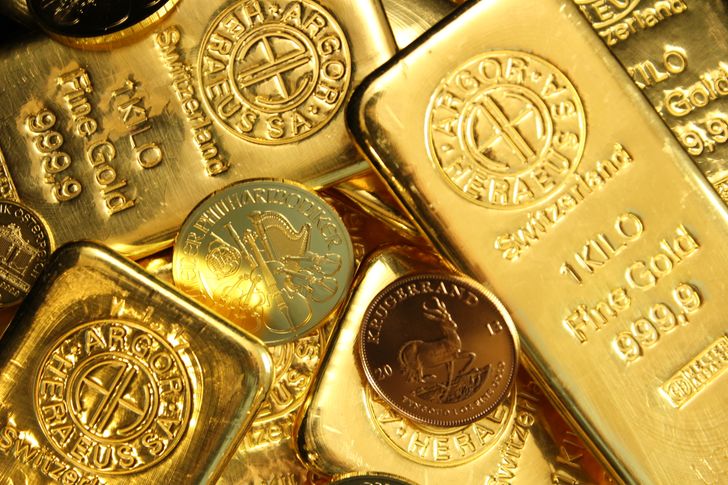
Zlat / Pexels / Investors almost always turn to gold during periods of inflation, geopolitical tension, stock market volatility, and financial instability.
Its long history as a store of value continues to attract both individual investors and large institutions.
Central banks remain among gold's biggest supporters. Many countries continue adding gold to their reserves because it provides long-term financial security. That steady demand helps support prices even when other investments struggle.
Gold is also one of the world's most liquid investments. Buyers and sellers can trade gold easily across global markets, making it simple to convert it into cash when needed. That liquidity becomes especially valuable during periods of financial stress.
Many investors choose gold because they value stability over rapid gains. Gold usually experiences smaller price swings than silver, making it a better option for those focused on protecting wealth instead of chasing higher returns. It continues to serve as an effective portfolio diversifier during uncertain markets.
Recent price declines have made gold more attractive to investors who previously thought it was too expensive. Buying after a market correction can improve long-term returns, provided investors remain patient and avoid making emotional decisions.
With that said, lower prices alone should never drive an investment decision. Gold still works best for investors who want capital preservation, lower volatility, and protection against economic uncertainty. Those goals matter far more than simply buying after a price drop.