 Home >
 Wildfires can move quickly, change direction, and cut off familiar roads with little warning. Preparing before smoke appears gives your family more time to leave safely and can also improve your home's chances of surviving.
Wildfire preparation does not require turning your house into a fortress. A solid evacuation plan, a packed emergency kit, smart yard maintenance, basic home upgrades, and reliable alerts can make a meaningful difference when fire threatens your area.
Start With a Safe and Fast Exit
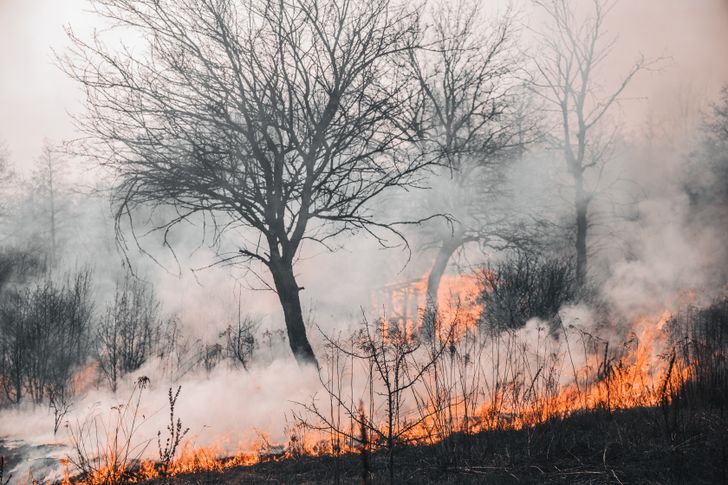
Vlad / Pexels / Every household needs a wildfire evacuation plan before an emergency begins. Identify at least two routes out of your neighborhood because flames, fallen trees, heavy smoke, or emergency vehicles could block your usual road.
Choose a meeting point outside the danger area and make sure everyone knows how to reach it. Include children, older relatives, and anyone who may need extra help, then practice the plan so people know what to do under pressure.
Your plan should also cover pets and larger animals. Keep carriers, leashes, food, medication, and identification records somewhere easy to reach, since searching for supplies during an evacuation wastes valuable time. Do not wait for visible flames before taking an evacuation warning seriously. Wildfires can spread rapidly, and leaving early helps families avoid traffic jams while giving firefighters more room to move through threatened areas.
Pack a Wildfire Go-Bag Before You Need One
A go-bag should contain the essentials your household may need during the first few days away from home. Pack drinking water, shelf-stable food, prescription medications, basic first-aid supplies, phone chargers, flashlights, spare batteries, and personal hygiene items.
Add copies of identification, insurance information, emergency contacts, and other important documents. Keep sturdy shoes and protective clothing nearby because broken glass, hot debris, ash, and damaged surfaces can make ordinary footwear unsafe.
Smoke protection deserves special attention during wildfire season. Properly fitted N95 respirators can reduce exposure to fine particles in wildfire smoke, although they do not protect against every harmful gas that smoke may contain.
Make Your Property Harder to Burn
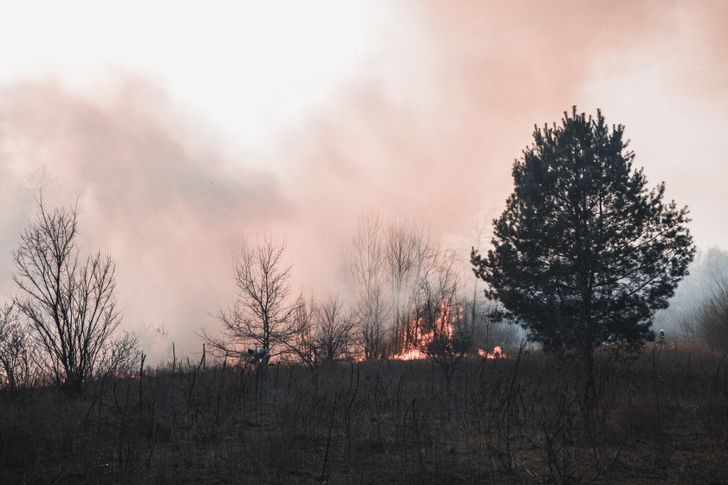
Vlad / Pexels / Wildfires do not need a wall of flames to destroy a house. Wind can carry burning embers far ahead of the main fire, allowing them to land on roofs, decks, vegetation, and other combustible materials.
Start by removing leaves, pine needles, dead plants, and other dry debris from your roof and gutters. Clear similar material from decks, porches, stairs, and areas next to exterior walls where embers can collect.
The first five feet around a structure deserve close attention. Move firewood, combustible mulch, outdoor cushions, doormats, and other items that could ignite and carry flames directly toward the building.
Continue reducing fuel farther into the yard by trimming vegetation and removing dead branches. Trees and shrubs should not create an easy path that allows flames to travel from surrounding vegetation toward your roof.
Harden Your Home Against Flying Embers
A well-maintained yard helps, but the house itself also needs protection. Embers can enter through vents, settle beneath decks, collect in roof gaps, and ignite vulnerable building materials even when the main flames remain some distance away.
Covering appropriate exterior vents with corrosion-resistant metal mesh can help reduce ember entry. Guidance from wildfire agencies commonly recommends mesh openings between 1/16 inch and 1/8 inch, while homeowners should ensure any modification still meets ventilation and local building requirements.
Stay Connected Before Conditions Turn Dangerous
Preparation loses much of its value if you never receive the warning to leave. Sign up for emergency notifications from local authorities and learn which agencies issue evacuation warnings and orders in your community.
The FEMA app and American Red Cross Emergency app can provide useful emergency information in the United States. Local emergency management agencies, sheriff's offices, fire departments, and state alert systems may provide more specific evacuation instructions for your area.
Do not rely on only one source of information. Power outages, overloaded mobile networks, or damaged infrastructure can interrupt communication, so keep a battery-powered or hand-crank radio available as another way to receive emergency updates.