 Home >
 Homesteading videos can make self-sufficiency look surprisingly simple. Build a small cabin, plant vegetables, add a few chickens, install solar panels, and watch household expenses shrink. A Missouri homesteader says the reality has been far more complicated.
In a candid post shared with Reddit’s r/OffGrid community, the homesteader describes spending four years trying to build a semi-self-sufficient life. The property has roughly half an acre of usable land. During that time, the poster built a cabin, installed solar power, and worked on water treatment infrastructure.
However, the goal was not to create a profitable farm packed with crops and livestock. The poster wanted something much simpler. They hoped to produce enough food for basic sustenance while covering roughly $300 in monthly bills.
The homesteader made that point clear when discussing some of the advice they had received. “I want to produce enough for sustenance. Sustenance. Not 500 different annuals including 11 strains of black berries,” the poster wrote.
4 Years of Work Exposes the Limits of Small Acreage
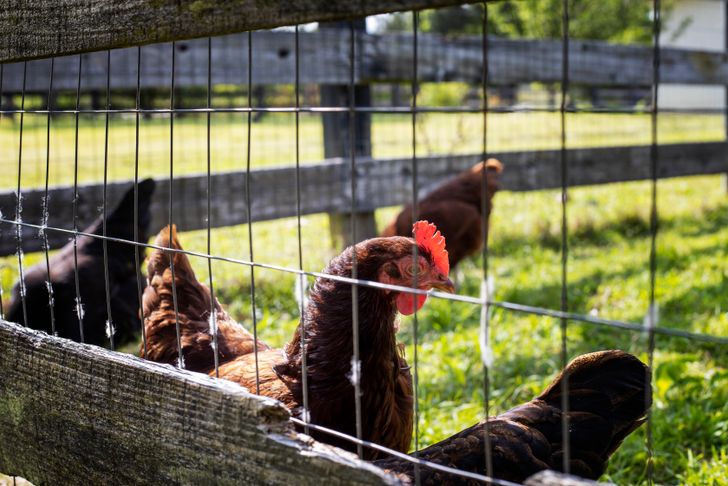
Chene / Pexels / The homesteader struggled with wildly different advice about how much land a person actually needs. Online recommendations often swing between tiny backyard success stories and claims that serious self-sufficiency requires vast acreage.
That contradiction left the Missouri homesteader feeling like they were “running in circles.” Four years of construction and experimentation had created useful infrastructure, but the property still was not producing the level of sustenance the poster had hoped to reach.
Small-scale homesteading can certainly reduce some household costs. A productive vegetable garden can cut grocery spending during the growing season. Solar power can reduce electricity expenses, and careful water management can lower dependence on outside utilities.
Producing most of a person's food is a different challenge. Staple foods require considerable space, and year-round eating demands storage. A household also needs fats, protein, calories, and enough surplus to survive crop failures or harsh weather.
Sure! Half an acre can still produce an impressive amount of food when managed carefully. But that does not mean the same plot can easily provide food, livestock space, fuel, building materials, water infrastructure, and income at the same time.
Reddit Commenters Deliver a Harsh Reality Check
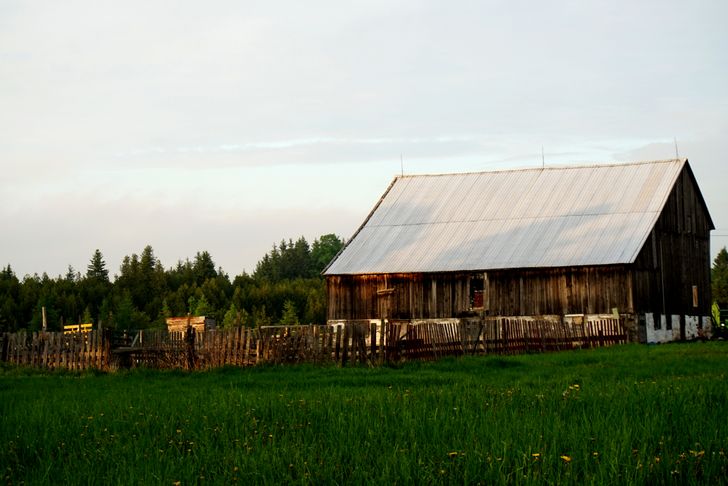
Bryan / Pexels / “Realistically, you can’t.” The commenter argued that even people running much larger farms often need outside employment to support themselves.
That point is true because self-sufficiency involves more than growing tomatoes and collecting eggs. Property taxes, tools, repairs, medical costs, replacement equipment, fuel, clothing, and countless other expenses still require money. Producing enough extra goods to generate reliable income creates another challenge entirely.
Another commenter focused directly on the available space. “So you have ½ acre of usable land… pretty tight. You aren’t going to be producing income and feeding yourself,” they wrote. That assessment cuts directly into the homesteader’s central problem.
The issue is not that half an acre has no value. Intensive gardening methods can squeeze substantial production from small plots. The problem comes when one small property must handle several jobs at once while also generating enough cash to cover unavoidable bills.
One Reddit user mentioned a traditional guideline of roughly “1 hectare per person” for self-sufficiency in their region. That estimate included farmland, meadows for animals, forests for firewood and construction materials, and other productive space.
Such rules are not universal because climate, soil, diet, water access, and farming methods can change land requirements dramatically. Still, the comparison shows why half an acre creates such tight limits. A homestead needs more than rows of vegetables if the goal involves broad independence from outside resources.
Even chickens can demand more infrastructure than beginners expect. Secure coops cost money, feed often comes from outside the property, and predators can wipe out a flock quickly. The original poster had already experienced unsuccessful attempts with both gardens and chickens.