 Home >
 The bug-out bag has become an icon of modern disaster preparedness. The basic idea sounds sensible. Pack essential supplies into one backpack, keep it ready, and grab it when an emergency forces you to leave home.
The problem starts when the bag becomes the entire plan. A backpack filled with survival equipment may look reassuring, but gear cannot tell you where to go, how to get there, or what to do when roads close. A useful bug-out bag supports an evacuation plan instead of replacing one.
Many ready-made kits lean heavily into wilderness survival. They contain fire starters, fishing equipment, folding saws, large knives, cooking gear, and other tools designed for living outdoors. That equipment makes sense for specific situations, but it can become dead weight during a normal evacuation.
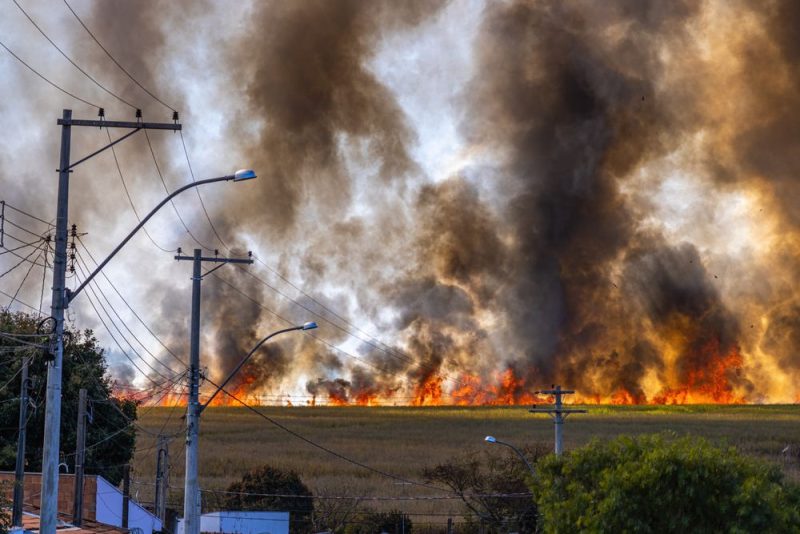
Most people are more likely to leave home because of a wildfire, flood, hurricane, chemical emergency, or another local threat. The realistic destination may be a hotel, emergency shelter, relative's home, or friend's property. That changes what belongs inside the bag.
A Bug-Out Bag Needs a Real Destination
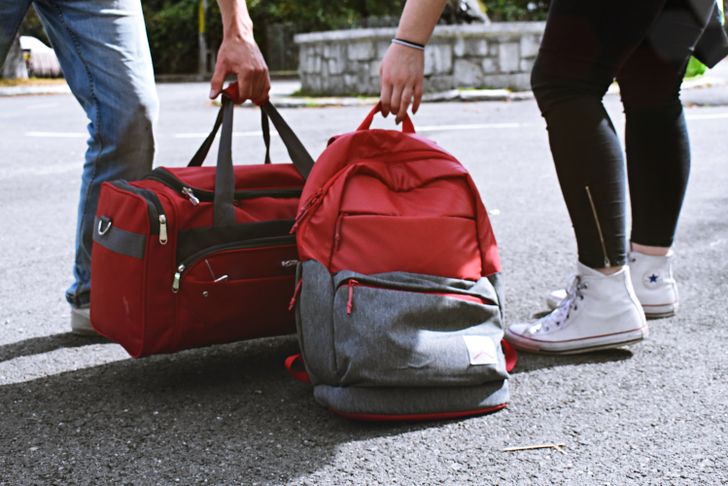
Dids / Pexels / A practical bug-out plan should start with a simple question about where the person intends to go.
The answer matters because traveling ten miles to a relative's house requires a very different kit from spending several nights outdoors. Plus, the ‘how’ matters just as much as the destination. A household should know its primary route and have alternatives in case traffic, flooding, fire, debris, or emergency restrictions make the normal road unusable. A backpack cannot solve that problem after the evacuation has already started.
This is where many elaborate bug-out bags lose touch with reality. An axe might look impressive strapped to a pack, but it will probably offer less value during an evacuation than prescription medicine, identification, a phone charger, cash, clean socks, and copies of important records.
Food should follow the same practical thinking. Lightweight, ready-to-eat items make more sense for a short evacuation than ingredients that require a stove, cookware, fuel, and clean water. Every extra item adds weight that someone eventually has to carry.
Cash can also become surprisingly useful during a disruption. Card readers, ATMs, mobile payment systems, and internet connections may stop working during a power or communications outage. Small bills can cover basic purchases when electronic payments become unreliable.
A Heavy Survival Pack Can Become a Liability
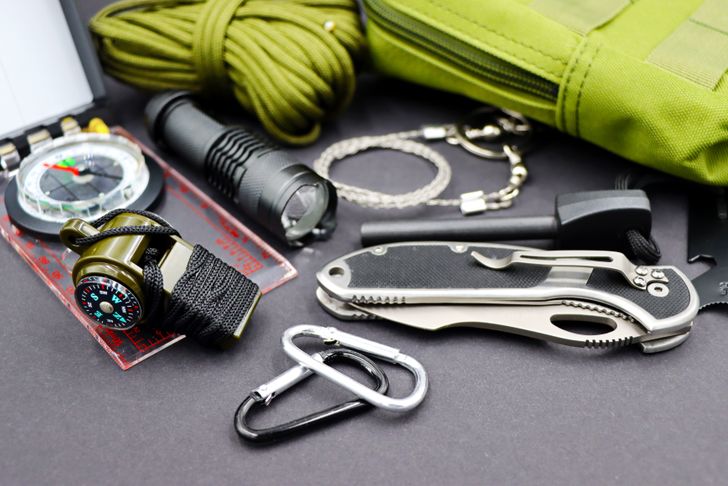
Mart / Pexels / Survival gear accumulates quickly because each item seems small when considered alone. Add water, food, clothing, tools, batteries, medical supplies, and electronics, and the final pack can become exhausting.
Preparedness circles often repeat the idea that ounces become pounds and pounds become pain. The point is simple. A bag that feels manageable during a five-minute test at home may feel very different after several miles of walking under stress.
Physical ability also changes the equation. Children, older adults, people with mobility limitations, and anyone dealing with an injury may not carry heavy packs safely. Parents may also need to carry supplies for children instead of focusing only on their own equipment.
Testing the bag offers a simple reality check. Carrying it on a normal walk can reveal poor weight distribution, uncomfortable straps, unnecessary equipment, and unrealistic expectations before an emergency exposes those problems at the worst possible moment.
A vehicle will often serve as the main evacuation tool when roads remain open. Cars can carry far more water, food, clothing, blankets, medications, and other supplies than a person can comfortably place on their back.
That means vehicle readiness deserves serious attention. Fuel, maintenance, tires, charging options, basic supplies, and knowledge of alternate routes may have more influence on a successful evacuation than another specialized survival gadget.