
 Home >
 Britons are being urged to keep extra food and basic supplies at home as an unusually powerful El Niño builds across the Pacific. Environment Secretary Dame Angela Eagle says households need to become more prepared for extreme weather and other emergencies that could disrupt normal life for several days.
The warning does not mean people should rush to supermarkets and clear the shelves. The message is about sensible household preparation, not panic buying. Officials want families to have enough food, water, medicines, batteries, and other essentials to manage short periods when power, water, transport, or food supplies become harder to access.
Why Is the UK Warning Households About El Niño?
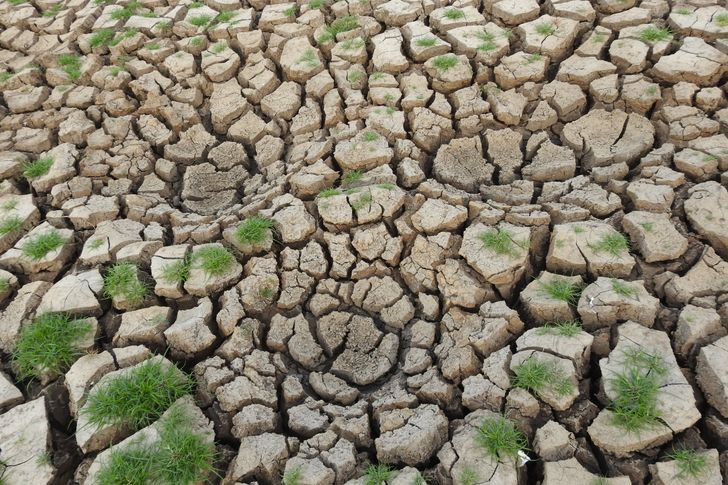
Simon / Pexels / The World Meteorological Organization says El Niño is firmly established and expected to become very strong before peaking toward the end of 2026.
Its latest forecast gives the event a nearly 100% chance of continuing through February 2027. The climate pattern can shift rainfall and temperatures across large parts of the world.
UN Secretary-General António Guterres used unusually strong language to describe the situation. “El Niño is being supersized before our eyes,” he said. The WMO says the event could increase the risk of floods, drought, extreme heat, and other damaging weather as its effects spread into 2027.
El Niño begins with unusual warming in the central and eastern tropical Pacific Ocean. It is a natural climate cycle, rather than an event caused by climate change. However, it is now developing against a background of unusually high global temperatures, which can make its wider impacts more concerning.
The UK sits far from the tropical Pacific, so El Niño does not dictate British weather in a simple way. Current forecasts point toward an increased chance of wetter and stormier conditions across northwestern Europe during autumn and early winter. That possibility has put household resilience back in the spotlight.
Eagle has urged people to take that risk seriously. She said households with some food stored at home would be “in a better position” if emergency services could not reach them immediately. The idea is to remain self-sufficient during the early stage of an emergency rather than depending on instant outside help.
Britain’s Food Supply Faces Wider Pressure
The warning arrived alongside a National Audit Office report examining the resilience of Britain's food supply chain. Its findings raise concerns that go beyond one season of bad weather. The watchdog says the system faces threats including extreme weather, cyber attacks, energy disruption, disease outbreaks, and longer-term climate pressures.
The NAO found that the food sector has handled recent disruptions partly because Britain can source products from many places around the world. However, that success does not prove the system could handle a catastrophic event. The watchdog said the sector's ability to withstand such a shock has not been tested.
The NAO warns that serious supply problems could push food prices higher and reduce the range of products available. Vulnerable households could feel the impact first because they have less room in their budgets to absorb sudden price increases. Food resilience is therefore an economic issue as well as an emergency planning issue.
British households also have room to improve their own preparation. Government research cited in recent reporting found that UK households are less prepared for emergencies than people in several other countries.
What the ‘Stockpile’ Warning Actually Means?
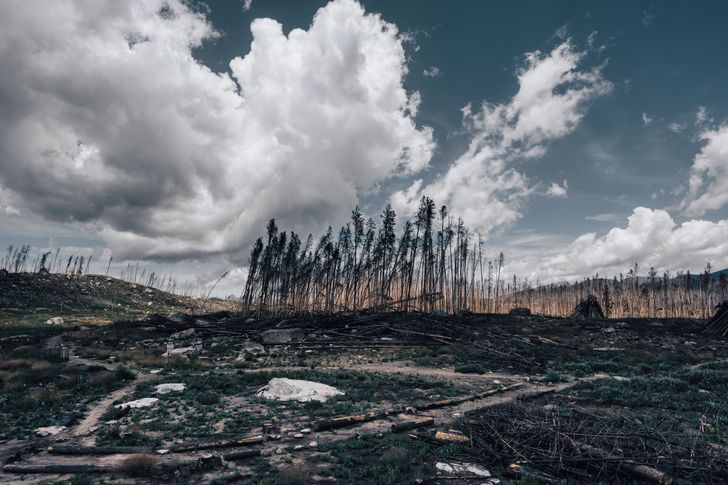
Alfo / Pexels / The practical goal is to have enough basic supplies to remain safe and reasonably comfortable during a short disruption.
A temporary power cut can quickly affect lighting, heating, cooking, phone charging, refrigeration, and internet access. Water disruption creates an even more immediate problem. Keeping shelf-stable food and drinking water at home can reduce pressure on emergency services while essential infrastructure is restored.
Preparation also gives emergency workers more time to reach people who need urgent help. If most households can cope independently for the first few days, responders can concentrate on vulnerable residents, medical emergencies, damaged infrastructure, and communities hit hardest by severe weather.