 Home >
 Nearly one year has passed since Air India Flight 171 plunged from the sky moments after takeoff from Ahmedabad, leaving behind one of the deadliest aviation disasters in India's history. The Boeing 787-8 crashed on June 12, 2025, killing 241 of the 242 people aboard and 19 people on the ground. The tragedy shocked the aviation world and devastated hundreds of families.
Today, the grief remains raw. The questions remain even sharper. As the first anniversary approaches, families, pilots, and safety advocates are still waiting for clear answers about what caused the disaster. Despite months of investigation, the official explanation remains incomplete, fueling frustration across the aviation community.
Families Are Sick of Sympathy
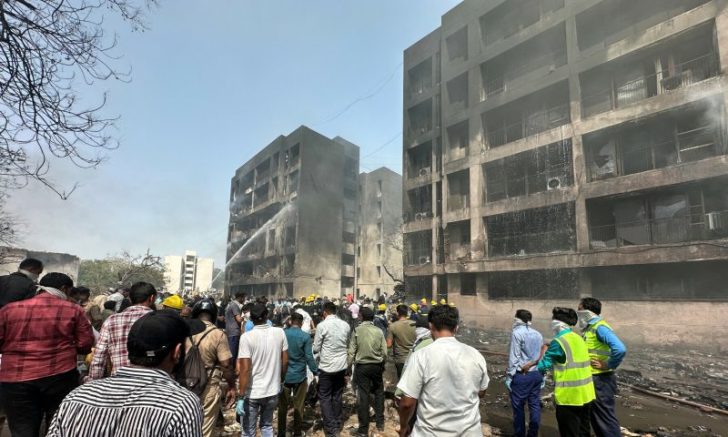
TOI / For the families of the victims, the anniversary marks another year without loved ones and another year without certainty. The crash site in Ahmedabad remains a painful reminder of the day everything changed.
Many relatives say the lack of answers has made healing harder. Grief often comes with difficult questions, but uncertainty can deepen the pain. Families want to know what happened inside the cockpit, what happened to the aircraft, and most importantly, if the tragedy could have been prevented.
One of the strongest voices comes from Vishwash Kumar Ramesh, the sole survivor of the crash. The British national lost his brother in the disaster and has spoken openly about the emotional burden carried by survivors and families.
"The questions never leave you," he reportedly said while reflecting on the lasting trauma. That feeling has become a common thread among those affected by the catastrophe. The anniversary events have focused not only on remembrance but also on accountability. Family members have repeatedly called on investigators to provide a thorough explanation backed by evidence rather than speculation.
Pilot Groups Challenge the Investigation
The Federation of Indian Pilots, representing more than 5,000 aviation professionals, has emerged as one of the most vocal critics of the investigation process. The organization has repeatedly questioned the transparency of the Aircraft Accident Investigation Bureau, known as the AAIB.
Federation president Charanvir Randhawa has not hidden his frustration. Speaking about the investigation, Randhawa stated, "I will be very honest, they are not transparent at all."
The federation has also criticized aspects of the investigation team and raised concerns about the questioning of relatives connected to one of the deceased pilots. In May 2026, the federation formally urged India's aviation ministry to ensure investigators fully examine the possibility of an electrical failure. Pilot representatives argue that ruling out technical faults too early could leave critical questions unanswered.
Randhawa warned that another vague conclusion would only create more speculation. He stressed that families deserve a clear explanation rather than a report that leaves room for endless debate.
The Mystery of the Fuel Switches
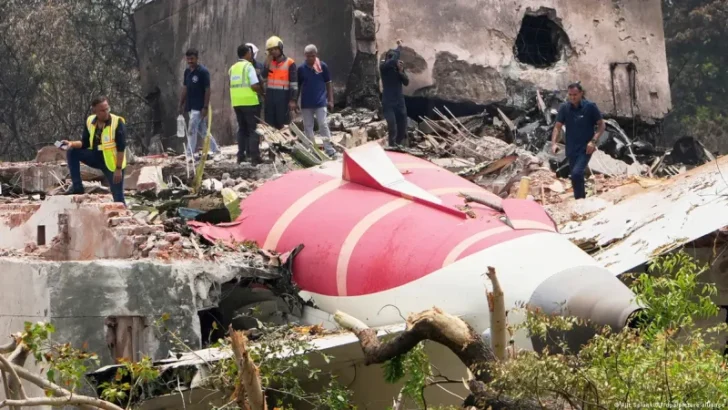
India Today / The most significant clue emerged in July 2025 when investigators released a preliminary report. The document revealed that the aircraft's fuel control switches were suddenly moved to the "cut off" position shortly after takeoff.
The report included a striking cockpit exchange. One pilot was heard asking, "Why did you do it?" The other responded, "I did not."
Those words instantly became the center of global attention. Yet the report stopped short of explaining how the switches moved or who moved them. Investigators did not identify which pilot made either statement.
The omission sparked immediate criticism. Aviation experts noted that the report presented a dramatic detail without providing the broader context needed to understand it. Questions quickly followed. Did a pilot accidentally move the switches? Did a mechanical malfunction occur? Did a software or electrical issue trigger an unexpected response?