
 Home >
 China's education system is entering one of its biggest transformations in years. The government has introduced a national plan that connects classrooms, universities, research labs, and businesses with one clear goal: Building the skilled workforce needed for the country's next stage of economic growth. Officials believe education has become a strategic tool for strengthening innovation and reducing dependence on foreign technology.
China faces growing competition in advanced technologies such as artificial intelligence, semiconductors, biotechnology, and robotics. At the same time, the country is seeing fewer young people entering school due to a declining birth rate. The new education blueprint aims to address both challenges by producing more highly trained graduates while aligning every level of education more closely with industry.
Building Talent for the Technology Race
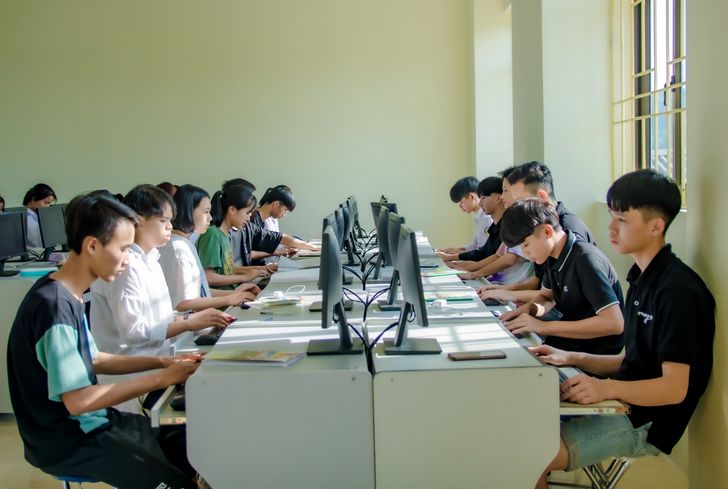
Doth / Pexels / Chinese leaders have made it clear that future economic growth depends on homegrown talent.
The latest education plan places science, engineering, and innovation at the center of the country's long-term strategy. Universities are expected to produce graduates who can contribute directly to industries, shaping the future instead of preparing students for jobs with outdated skills.
This approach reflects the growing pressure created by global competition. Export restrictions on advanced chips and other technologies have encouraged Beijing to invest more heavily in domestic research and education. Officials believe developing skilled scientists, engineers, and researchers is one of the strongest ways to reduce reliance on outside expertise.
Education will now play a larger role in national development than ever before. Universities, research institutes, and technology companies are expected to work together rather than operate independently. Students will have greater opportunities to study real industry challenges while companies gain access to a stronger pipeline of qualified graduates.
The government also wants academic research to produce practical results. Instead of limiting discoveries to laboratories, policymakers hope universities will help accelerate innovation across strategic industries. That closer partnership could shorten the path between scientific breakthroughs and commercial products.
A New Focus on STEM and Vocational Training
Science and engineering subjects receive special attention throughout the blueprint. Universities are encouraged to expand programs tied to artificial intelligence, advanced manufacturing, quantum technology, biotechnology, and integrated circuits. These fields are expected to support China's long-term economic ambitions over the next decade.
Doctoral education will also receive stronger support. Officials believe advanced research depends on producing more highly qualified specialists capable of leading scientific discoveries. Expanding graduate programs is seen as an important step toward creating a larger community of world-class researchers.
Vocational education is another major part of the reform. Instead of treating technical schools as second-choice options, the government wants them to become essential training centers for modern industries. Students pursuing practical careers will receive education that matches the needs of advanced factories, technology firms, and engineering companies.
Artificial intelligence education is also expanding throughout the system. Students will gradually learn AI concepts from an early age through university, while teachers will receive additional training to improve digital skills. Policymakers believe AI literacy will become as important as computer skills have been during the past generation.
Solving the Talent Crunch and Demographic Challenge

Doth / Pexels / China's shrinking birth rate has become another major factor behind the education overhaul. Fewer children entering schools means policymakers must rethink how educational resources are used.
Some regions already face declining enrollment in kindergartens and primary schools, even as demand for higher education remains strong.
Instead of simply reducing school capacity, officials want to improve quality and better match education with future workforce needs. The goal is to produce more highly skilled graduates even as the overall student population gradually becomes smaller.
The government believes every student represents valuable future talent. Better planning, stronger training, and more targeted education could help offset the impact of demographic decline. Producing highly qualified professionals is viewed as more important than simply increasing graduate numbers.