 Home >
 India is making one of its biggest healthcare investments ever. The government has announced a bold $11 billion biopharmaceutical initiative designed to strengthen domestic drug development, modernize healthcare infrastructure, and reduce dependence on imported medicines. The move reflects a long-term vision of making India more self-sufficient in critical healthcare sectors.
The effort builds on the country's broader "Atmanirbhar Bharat," or self-reliant India, strategy. Lessons from the COVID-19 pandemic exposed weaknesses in global supply chains and highlighted the importance of producing essential medicines and medical equipment at home. Now India wants to turn those lessons into lasting progress.
The SHAKTI Plan Marks a New Direction
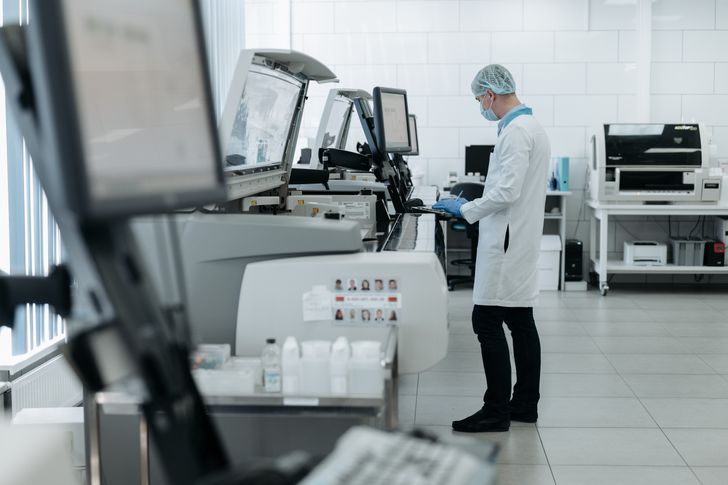
Pavel / Pexels / At the center of this effort is the SHAKTI program, which received funding of about $11 billion over the next five years through India's 2026 to 2027 federal budget.
The initiative aims to create a stronger ecosystem for developing and manufacturing advanced biopharmaceuticals and biosimilars within the country.
For decades, India built its reputation as one of the world's largest producers of generic medicines. Those products remain important, but the SHAKTI plan signals a shift toward more advanced biological therapies. These medicines often require sophisticated research, specialized manufacturing, and strict quality standards.
One of the biggest goals of the initiative is to reduce reliance on expensive imported drugs. Producing more treatments domestically could lower costs, improve supply security, and make cutting-edge therapies more accessible to Indian patients.
The government also plans to strengthen clinical research across the country. More than 1,000 certified clinical trial sites are expected to become part of the national research network. Expanding testing capacity should help speed up the development of new treatments while improving research quality.
Another major focus involves building a stronger workforce. India plans to establish three new National Institutes of Pharmaceutical Education and Research while upgrading seven existing campuses. These investments are designed to prepare the next generation of scientists, researchers, and healthcare professionals.
Medical Devices Are Becoming a National Priority

Pixabay / Pexels / Medical devices have become another major area of focus after the pandemic exposed India's dependence on imported equipment.
Union Minister of State for Health Anupriya Patel has repeatedly emphasized the importance of strengthening India's medical device industry. The goal is to create an innovation-driven manufacturing system that supports local companies while reducing import dependence.
The National Medical Devices Policy plays a central role in that effort. The government has also established dedicated medical device parks in states including Uttar Pradesh, Tamil Nadu, and Madhya Pradesh. These specialized manufacturing hubs aim to lower production costs and encourage investment.
Regulatory reforms are moving alongside these infrastructure projects. The Ministry of Health has proposed changes that would simplify manufacturing approvals and reduce licensing timelines. Faster approvals can help companies bring new products to market more efficiently.
The industry currently has an estimated value of about $15 billion and could grow to nearly $50 billion by 2030. Domestic manufacturing could allow Indian companies to capture a larger share of that growing demand.
Innovation is already producing encouraging results. Researchers at the Indian Institute of Technology Madras recently developed an indigenous organ resuscitation and preservation technology designed to extend the life of donated organs before transplantation.
The Implications of the Initiative Are Massive!
The technology could significantly improve access to organ transplants across the country. Longer preservation times make it easier to transport organs between hospitals, including facilities located in tier 2 and tier 3 cities. That advancement has the potential to save more lives while reducing healthcare inequalities.
However, building a stronger healthcare industry also requires updated regulations. India is currently replacing several older laws with the proposed "Drugs, Medical Devices and Cosmetics Act 2025." The legislation aims to create a single modern regulatory framework for medicines, devices, cosmetics, and diagnostics.
The proposed law would simplify approval procedures while strengthening patient safety. High-risk medical devices would face stricter clinical trial requirements, and new systems for pharmacovigilance would improve monitoring after products enter the market.